
Light Duty Towing vs. Heavy Duty Towing: Which Do You Need?
When your vehicle breaks down or gets stuck unexpectedly, knowing the right type of towing service to call can save you time, money, and stress. Whether you own a small car, a large truck, or heavy machinery, understanding light duty towing services versus heavy duty towing is essential—especially here in Georgia’s busy streets of Atlanta and surrounding areas. At PMA Transportation Services, we specialize in all types of towing, offering expert advice to help you make the best choice for your situation.
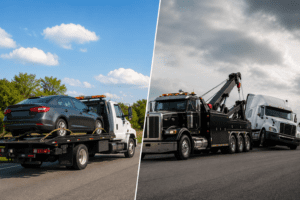
In this comprehensive guide, we’ll dive deep into the differences between light and heavy duty towing, explore real-world scenarios, provide actionable advice, and help you decide which service fits your vehicle and needs best.
What Are Light Duty Towing Services?
Definition and Scope
Light duty towing services typically refer to towing smaller vehicles such as compact cars, sedans, motorcycles, small SUVs, and light trucks. These towing services are designed to handle vehicles that weigh up to approximately 10,000 pounds (4,500 kg). Light duty tow trucks are usually equipped with wheel lifts, flatbeds, or dollies that can safely transport these vehicles without causing damage.
For example, if your sedan breaks down on the highway in Atlanta, a light duty tow truck can quickly arrive, lift your car using a wheel lift or flatbed, and transport it to a nearby repair shop or your home.
Common Uses and Applications
Light duty towing is ideal for:
- Passenger vehicles like cars, motorcycles, and small SUVs
- Broken down vehicles that need to be moved to a repair facility
- Roadside assistance, including jump-starting, tire changes, and lockout services
- Recovery of vehicles stuck in mud, snow, or minor off-road situations
According to the American Towman Association, light duty towing comprises nearly 70% of towing jobs nationally, reflecting the high demand for these services in urban and suburban areas such as Georgia and Atlanta.
Types of Light Duty Tow Trucks
- Flatbed Tow Trucks: These trucks have a flat platform that can be hydraulically inclined and lowered to the ground, allowing vehicles to be driven or pulled onto the bed. This method is the safest for most vehicles, preventing wear on tires and transmissions.
- Wheel-Lift Tow Trucks: These trucks use a metal yoke to lift one set of wheels off the ground, towing the vehicle with the other wheels rolling. This type is faster but can be riskier for vehicles with certain drivetrain types.
- Dollies: A dolly is a small trailer with wheels that lifts one end of the vehicle off the ground.
What Is Heavy Duty Towing?
Definition and Overview
Heavy duty towing services are designed to handle vehicles and equipment weighing more than 26,000 pounds (11,793 kg), including commercial trucks, buses, RVs, construction equipment, and large trailers. This type of towing requires specialized trucks equipped with powerful winches, booms, and reinforced chassis to handle the immense weight and size safely.
For instance, if a tractor-trailer jackknifes on a highway near Atlanta or a large bus breaks down on a rural Georgia road, heavy duty towing professionals are needed to safely recover and transport these massive vehicles.
When Is Heavy Duty Towing Necessary?
Heavy duty towing is essential for:
- Semi-trucks and tractor-trailers
- Large buses and passenger coaches
- Construction vehicles like bulldozers, excavators, and cranes
- Large recreational vehicles (RVs)
- Oversized loads requiring specialized equipment
Due to the complex nature of heavy duty towing, it often involves coordination with local authorities, traffic management, and specialized routes, especially in metropolitan areas like Atlanta where traffic congestion adds to the challenge.
Types of Heavy Duty Tow Trucks
Heavy duty tow trucks come in various configurations, including:
- Boom Tow Trucks: Equipped with a hydraulic boom to lift vehicles vertically, useful for vehicles stuck in ditches or overturned.
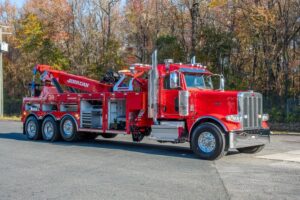
- Rotator Tow Trucks: Highly versatile with a rotating boom, capable of lifting and towing heavy vehicles from difficult angles.
- Integrated Tow Trucks: Built on robust chassis, combining boom and wheel-lift functions for maximum towing power.
These trucks have winches capable of pulling weights over 50,000 pounds, making them indispensable for commercial and industrial towing.
Key Differences Between Light Duty and Heavy Duty Towing
Weight and Vehicle Types
- Light Duty: Up to 10,000 pounds; passenger cars, motorcycles, light trucks
- Heavy Duty: Over 26,000 pounds; commercial trucks, buses, heavy equipment
Understanding the weight and type of vehicle is the first step in choosing the correct towing service. Attempting to tow a heavy vehicle with a light duty truck can cause severe damage and safety hazards.
Equipment and Techniques
Light duty tow trucks use wheel lifts and flatbeds, focusing on speed and minimal damage. Heavy duty trucks use winches, booms, and rotators designed for heavy loads and challenging recoveries.
Cost Differences
Heavy duty towing is substantially more expensive due to the equipment, expertise, and labor involved. According to industry reports, average light duty towing costs range from $75 to $125 for the first 5 miles, while heavy duty towing can cost anywhere from $200 to $600 or more depending on the situation.
Response Time and Availability
Light duty towing services are more widely available and can respond faster in urban areas like Atlanta. Heavy duty towing requires specialized operators and equipment, which may mean longer wait times—especially in rural Georgia.
How to Determine Which Towing Service You Need
Step 1: Identify Your Vehicle Type and Weight
Check your vehicle’s owner manual or door jamb for the Gross Vehicle Weight Rating (GVWR). If your vehicle weighs less than 10,000 pounds, light duty towing services are likely sufficient. For trucks or vehicles over 26,000 pounds, heavy duty towing is required.
Step 2: Assess the Situation
- Is your vehicle stuck in a ditch or overturned? Heavy duty towing may be needed.
- Is your vehicle simply disabled on the side of the road? Light duty towing may suffice.
- Are you dealing with commercial equipment or RVs? Heavy duty towing is the answer.
Step 3: Consider Accessibility and Location
In busy Atlanta traffic or narrow residential streets in Georgia suburbs, light duty tow trucks offer better maneuverability. For highways or industrial areas, heavy duty trucks are better equipped for safe removal.
Step 4: Consult Professionals
Contact PMA Transportation Services for expert advice. Our trained dispatchers can quickly determine the right service based on your vehicle and the situation, ensuring safe and efficient towing.
Real-World Examples: When to Use Light Duty vs Heavy Duty Towing in Georgia
Example 1: Broken Down Sedan in Downtown Atlanta
A commuter’s sedan stalls on Peachtree Street during rush hour. A light duty flatbed truck from PMA arrives promptly, loads the vehicle safely, and transports it to a nearby repair shop. This quick response avoids traffic delays and prevents further vehicle damage.
Example 2: Semi-Truck Jackknifed on I-75 Near Marietta
A tractor-trailer jackknifes during a rainstorm, blocking lanes. PMA’s heavy duty rotator tow truck arrives with police coordination, carefully lifts the truck, and clears the highway, minimizing traffic impact and preventing secondary accidents.
Example 3: Motorcycle Recovery After an Accident in Savannah
A motorcyclist crashes and the bike is immobilized. A light duty wheel-lift tow truck from PMA transports the motorcycle to a local garage, using specialized equipment to avoid damage to the bike’s delicate frame.
Why Choose PMA Transportation Services for Your Towing Needs in Georgia?
Comprehensive Towing Solutions
PMA Transportation Services offers both light duty towing services and heavy duty towing options, making us a one-stop solution for Georgia residents and businesses. Our fleet includes state-of-the-art flatbed trucks, wheel-lift vehicles, and heavy duty tow trucks capable of handling any job.
Local Expertise and Rapid Response
Operating throughout Atlanta and surrounding Georgia areas, PMA understands the unique challenges of local traffic, weather, and road conditions. Our dispatch team ensures fast response times, helping you get back on the road with minimal delay.
Professional and Compassionate Service
We know towing can be stressful. Our drivers and customer service representatives approach every call with professionalism and care, prioritizing your safety and peace of mind.
Fully Licensed and Insured
PMA is fully licensed, insured, and compliant with all Georgia towing regulations. You can trust that your vehicle is in capable hands.
Frequently Asked Questions (FAQs)
1. What types of vehicles qualify for light duty towing services?
Light duty towing services are designed for vehicles weighing up to 10,000 pounds, including passenger cars, motorcycles, small SUVs, and light trucks. If your vehicle falls within this category, a light duty tow truck can safely transport it without damage.
2. How do I know if I need heavy duty towing?
If your vehicle exceeds 26,000 pounds, such as a commercial truck, bus, RV, or construction equipment, heavy duty towing is necessary. Additionally, if your vehicle is stuck in a difficult location or overturned, heavy duty tow trucks with specialized equipment are required.
3. Are light duty towing services available 24/7 in Georgia?
Yes, reputable providers like PMA Transportation Services offer 24/7 emergency light duty towing services across Atlanta and surrounding areas to assist you whenever you need help.
4. How much does light duty towing typically cost in Georgia?
Costs vary depending on distance, time of day, and specific circumstances, but light duty towing usually ranges from $75 to $125 for the first 5 miles. PMA offers competitive rates and transparent pricing.
5. Can light duty tow trucks tow motorcycles?
Absolutely. Many light duty tow trucks are equipped with specialized motorcycle dollies or wheel lifts designed to safely transport motorcycles without damage.
6. What safety measures do towing companies take during heavy duty towing?
Heavy duty towing involves detailed safety protocols, including traffic control, use of certified operators, proper rigging, and coordination with local authorities to ensure the safety of drivers, operators, and other road users. PMA strictly adheres to these standards.
Light Duty Towing vs. Heavy Duty Towing, Know The Diffrence
Choosing between light duty towing services and heavy duty towing depends primarily on your vehicle’s weight, type, and the nature of the incident. Light duty towing is ideal for everyday passenger vehicles and minor roadside assistance, while heavy duty towing is necessary for large commercial vehicles and complex recoveries.
Here in Georgia, especially in bustling Atlanta and its surrounding counties, having access to reliable, professional towing services like those offered by PMA Transportation Services can make all the difference during vehicle emergencies. Our experienced team is ready to assess your needs and provide fast, safe, and affordable towing solutions.
Schedule Towing Services with PMA Transportation Services Now!
Call us at (844) 762-8726 or visit our website PMA Transportation to book expert light duty or heavy duty towing services throughout Georgia. Your safety is our priority!