

How to Start a Non-Emergency Medical Transportation Business in Georgia
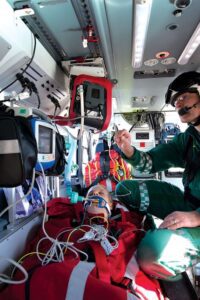 Before diving into the logistics of starting your business, it is critical to understand what NEMT entails. Non-Emergency Medical Transportation refers to the safe, reliable transportation of individuals who need assistance getting to and from medical appointments but do not require emergency ambulance services.
The Growing Demand for NEMT in Georgia
According to the U.S. Census Bureau, Georgia’s population aged 65 and older is projected to grow by nearly 35% over the next decade. With an aging population and increasing chronic health conditions, the demand for specialized transportation services like NEMT is skyrocketing. Moreover, Medicaid and Medicare increasingly fund NEMT services, providing a stable revenue stream for providers who meet compliance standards.
Key Statistics
- Over 3.6 million Georgians rely on Medicaid, many of whom require NEMT services.
- The Georgia Department of Community Health reports a 20% year-over-year increase in NEMT rides.
- Approximately 30% of missed medical appointments in Georgia are due to transportation issues, a gap NEMT services aim to fill.
PMA Transportation Services has witnessed firsthand how quality NEMT solutions improve patient outcomes and operational efficiencies for healthcare providers.
Step 1: Conduct Market Research and Define Your NEMT Business Model
Before you invest in vehicles and licenses, start by understanding your local market.
Identifying Your Target Market
Georgia is diverse, with urban centers like Atlanta and rural counties in North Georgia. Your target customers might include:
- Elderly individuals needing regular medical appointments
- Patients with disabilities requiring wheelchair-accessible vehicles
- Medicaid recipients who qualify for state-funded transportation
- Hospitals and clinics outsourcing transportation needs
- Dialysis centers, physical therapy offices, and mental health clinics
Analyze the Competition
Georgia has many NEMT providers, but there is always room for quality and specialized services. Use tools like Google Maps, local business directories, and healthcare provider networks to identify competitors. Look for:
- What services competitors offer (wheelchair transport, stretcher transport, etc.)
- Pricing models and reimbursement rates
- Customer reviews and reputation
- Gaps in service areas or underserved communities
Choose Your Service Model
NEMT businesses can operate in different ways:
- Owner-Operator: You drive your own vehicle and handle business operations.
- Fleet-Based Operation: Own multiple vehicles and hire drivers.
- Broker Model: You coordinate transportation but subcontract the driving.
- Specialized Transport: Offer wheelchair vans, stretcher vehicles, or bariatric transport.
Selecting the right model depends on your budget, experience, and growth plans.
Step 2: Develop a Detailed Business Plan
Components to Include
- Executive Summary: Outline your business mission, services, and goals.
- Market Analysis: Share your research on Georgia’s NEMT demand, target demographics, and competitors.
- Marketing Plan: How will you attract clients? Think healthcare partnerships, Medicaid contracts, and digital marketing.
- Operations Plan: Vehicle acquisition, staffing, scheduling, and compliance.
- Financial Plan: Startup costs, projected revenue, cash flow, and break-even analysis.
Example: Startup Costs Breakdown
| Item | Estimated Cost (Georgia) |
| Vehicle Purchase/Lease | $30,000 – $60,000 per vehicle |
| Licensing & Permits | $1,000 – $3,000 |
| Insurance (Liability & Vehicle) | $5,000 – $15,000 annually |
| Staff Salaries | $25,000 – $50,000 annually per driver |
| Marketing & Advertising | $2,000 – $5,000 initially |
| Office & Dispatch Setup | $3,000 – $7,000 |
Step 3: Register Your Business and Obtain Licenses in Georgia
Choose a Business Structure
You can register as a Sole Proprietorship, Limited Liability Company (LLC), or Corporation. Most NEMT businesses opt for an LLC to protect personal assets and enjoy tax advantages. Use the Georgia Secretary of State’s online portal to register your business.
Obtain a Federal Employer Identification Number (EIN)
Apply for an EIN via the IRS website. This is necessary for tax filing and hiring employees.
Secure Necessary Licenses and Permits
Georgia requires specific licenses to operate NEMT services legally:
- Georgia Department of Public Health (DPH) NEMT License: Certifies you to transport patients safely.
- Commercial Driver’s License (CDL) with Passenger Endorsement: For vehicles over a certain weight or specialized transport.
- Vehicle Registration and Inspection: All vehicles must pass safety inspections.
- Medicaid Provider Enrollment: Required if you plan to accept Medicaid payments.
Failure to comply with these regulations can result in fines or business closure, so meticulous attention is crucial.
Step 4: Purchase and Equip Your NEMT Vehicles
Your vehicles are the backbone of your business. They must be safe, reliable, and compliant with local and federal regulations.
Vehicle Types Commonly Used in Georgia NEMT
- Standard Sedans: For ambulatory patients.
- Wheelchair Vans: Equipped with ramps or lifts.
- Stretcher Ambulances: For patients who cannot sit upright.
- Bariatric Vehicles: For heavier patients requiring specialized equipment.
Vehicle Safety and ADA Compliance
The Americans with Disabilities Act (ADA) requires that NEMT vehicles accommodate individuals with disabilities. This means:
- Proper wheelchair tie-downs
- Secure ramps or lifts
- Sufficient interior space for mobility devices
- Regular maintenance to ensure safe operation
PMA’s Fleet Standards
At PMA Transportation Services, each vehicle undergoes rigorous safety checks every 3,000 miles and is equipped with GPS tracking, two-way radios, and emergency communication systems. This commitment to quality ensures patient safety and timely service.
Step 5: Hire and Train Qualified Drivers and Staff
Your drivers are the face of your company and must be highly trained and compassionate.
Driver Requirements in Georgia
- Valid CDL with passenger endorsement (if applicable)
- Clean driving record
- Background checks and drug screening
- CPR and First Aid certification
- Customer service and sensitivity training
Training Topics to Cover
- Safe patient handling and transfers
- Navigating Georgia’s roads and healthcare facilities
- Communication skills for interacting with patients and healthcare providers
- Emergency procedures and accident response
Retention Strategies
Offer competitive wages, benefits, and ongoing professional development to reduce turnover and maintain high service standards.
Step 6: Set Up Dispatch and Scheduling Systems
Efficient dispatching improves service quality and reduces operational costs.
Technology Solutions
Use NEMT-specific software that handles:
- Ride scheduling and route optimization
- Real-time tracking of vehicles and drivers
- Automated billing and invoicing
- Medicaid claims processing
PMA’s Dispatch System
PMA uses advanced dispatch software integrated with GPS and mobile apps, enabling timely pickups and instant communication between drivers and dispatchers. This technology reduces wait times and improves customer satisfaction.
Step 7: Market Your NEMT Business in Georgia
A strong marketing strategy will help you build relationships and grow your client base.
Target Healthcare Providers
- Partner with hospitals, dialysis centers, clinics, and nursing homes.
- Attend local healthcare conferences and expos in Atlanta and nearby cities.
- Offer free consultations to understand provider transportation needs.
Digital Marketing
- Optimize your website for keywords like “how to start a NEMT business in Georgia” and “NEMT services Atlanta.”
- Use Google My Business and local SEO tactics to appear in local search results.
- Leverage social media to share success stories, client testimonials, and industry news.
Medicaid and Insurance Contracts
Enroll as a Medicaid provider and negotiate contracts with insurance companies to secure steady revenue streams.
Step 8: Ensure Compliance and Maintain High-Quality Standards
Ongoing compliance is essential for long-term success.
Regular Vehicle Inspections and Driver Evaluations
- Schedule routine maintenance and safety inspections.
- Conduct driver performance reviews and refresher training.
Stay Updated on Georgia Regulations
The healthcare and transportation regulations evolve regularly. Subscribe to updates from:
- Georgia Department of Public Health
- Georgia Department of Community Health
- Federal Transit Administration
Quality Assurance Programs
Implement customer feedback systems and continuous improvement processes to enhance service quality.
How to Start a Non-Emergency Medical Transportation Business in Georgia (FAQs)
1. What is the initial cost to start a NEMT business in Georgia?
Starting a NEMT business in Georgia typically requires an initial investment of $50,000 to $100,000, depending on the number and type of vehicles, licensing fees, insurance, and staffing. Budgeting carefully and securing funding or loans can help manage expenses effectively.
2. Do I need a special license to operate a NEMT business in Georgia?
Yes. You must obtain the appropriate NEMT license from the Georgia Department of Public Health and ensure your vehicles meet state and federal safety standards. Drivers may also need a CDL with a passenger endorsement depending on vehicle size.
3. Can I use my personal vehicle for NEMT services?
Generally, personal vehicles are not suitable for professional NEMT services due to specific equipment and insurance requirements. Vehicles must be ADA-compliant, insured commercially, and pass regular safety inspections.
4. How do I get Medicaid reimbursement for NEMT services?
You must enroll as a Medicaid provider through the Georgia Department of Community Health and comply with their billing and documentation requirements. Accurate record-keeping and timely claims submissions are essential for reimbursement.
5. What are the biggest challenges when starting a NEMT business?
Common challenges include navigating complex licensing processes, securing reliable vehicles, hiring trained staff, and establishing contracts with healthcare providers and insurers. Proper planning and consulting with experts can mitigate these issues.
6. How can PMA Transportation Services help with starting my NEMT business?
PMA offers comprehensive consulting services, from business planning and licensing guidance to fleet acquisition and staff training. Their expertise in Georgia’s market can accelerate your business launch and operational success.
Conclusion: How to Start a Non-Emergency Medical Transportation Business in Georgia
Starting a Non-Emergency Medical Transportation (NEMT) business in Georgia is a promising and impactful venture. With the state’s growing healthcare needs and supportive Medicaid programs, there is a significant opportunity for compassionate entrepreneurs to provide essential transportation services.
However, success requires thorough preparation — from understanding the market and developing a detailed business plan to securing licenses, purchasing ADA-compliant vehicles, hiring qualified staff, and establishing efficient operations.
At PMA Transportation Services, we understand the complexities of the NEMT industry and are committed to helping you navigate each step. Whether you’re in Atlanta, Savannah, or any part of Georgia, we provide expert consulting and support tailored to your unique goals.
Ready to take the next step?
Schedule a Free NEMT Consulting Call with PMA Transportation Services today
PMA Transportation Services – Your Partner in Building a Successful NEMT Business in Georgia.