

Semi Truck Towing Cost in 2026: Heavy-Duty Rates and Per-Mile Breakdown
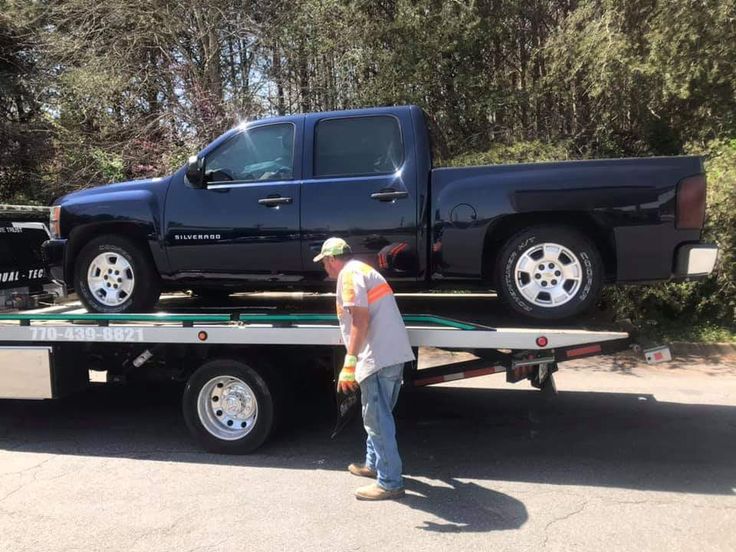
Towing a semi truck costs $200 to $500+ for local recovery and $4 to $7 per mile for long-distance hauls. Heavy-duty towing, which also covers RVs, buses, and large commercial vehicles, costs more than standard towing because it requires specialized rotator or heavy-wrecker equipment, certified operators, and significantly more time on scene.
Towing a semi truck isn’t the same job as towing a sedan, and the price reflects that. A jackknifed tractor-trailer or a disabled box truck needs heavy-duty recovery equipment, a properly licensed operator, and often more than one person on scene. Here’s what actually goes into the cost, and what you should expect to pay in 2026.
Heavy-Duty Towing Cost Overview
| Service | Typical Cost |
|---|---|
| Local heavy-duty tow (call-out + hook-up) | $200 to $500+ |
| Per-mile rate, long-distance | $4 to $7/mile |
| Winching/recovery (stuck or overturned vehicle) | $250 to $1,000+ (separate fee) |
| RV towing | $150 to $400 local, $5 to $8/mile long-distance |
Local heavy-duty calls, like getting a disabled semi off a shoulder or out of a parking lot, typically start around $200 and can exceed $500 depending on the truck’s weight, whether a second truck or rotator is needed, and time of day. Long-distance heavy-duty tows scale at $4 to $7 per mile, roughly double the rate of standard passenger-vehicle towing, because of the equipment and fuel demands involved.
Why Semi Truck Towing Costs More
Specialized equipment. Heavy-duty wreckers and rotators cost significantly more to operate and maintain than standard tow trucks, and that cost is reflected in the rate.
Driver qualifications. Operating a heavy-duty wrecker combination typically requires a commercial driver’s license. The Federal Motor Carrier Safety Administration sets the federal threshold at a gross vehicle or combination weight of 26,001 pounds or more, which covers virtually every semi truck and most heavy-duty tow rigs. That means the operator on scene needs a Class A or Class B CDL, not just a standard license.
Scene complexity. A disabled semi often blocks a lane or shoulder, requiring additional safety setup, traffic control, and sometimes a second technician, all of which add to the bill.
Recovery vs. simple tow. If the truck is jackknifed, overturned, or off the roadway, that’s a winching or recovery operation billed separately from the tow itself, and it can cost more than the tow.
Weight-based fuel and wear. Heavy-duty trucks burn more fuel per mile and put significantly more wear on towing equipment, which is reflected in the higher per-mile rate.
Per-Mile Breakdown for Commercial Vehicle Towing
| Vehicle Type | Local Call-Out | Per-Mile (Long-Distance) |
|---|---|---|
| Box truck / delivery van | $150 to $350 | $3.50 to $5.50/mile |
| Semi truck (tractor only) | $200 to $450 | $4 to $6.50/mile |
| Semi truck with trailer | $300 to $500+ | $5 to $7/mile |
| Bus | $250 to $500 | $4.50 to $7/mile |
| RV (Class A/C) | $150 to $400 | $5 to $8/mile |
These ranges assume a standard tow with no recovery complications. Add 25 to 60% for after-hours dispatch, and expect a separate quote if winching, lane closures, or law enforcement coordination are required.
Fuel Costs and Heavy-Duty Towing Rates
Diesel and gas prices have an outsized effect on heavy-duty towing rates compared to standard towing, since heavy wreckers consume significantly more fuel per mile than a light-duty truck. Current statewide averages from AAA’s fuel price tracker are a useful reference point. When diesel prices climb, heavy-duty per-mile rates tend to adjust within weeks, since fuel is one of the largest line items in a long-distance heavy recovery.
Permits and Heavy-Duty Towing in Georgia
Moving an oversize or overweight commercial vehicle, including some disabled semi trucks and their trailers, can require a permit if the load exceeds Georgia’s standard legal dimensions or weight limits. The Georgia Department of Transportation’s Oversize Permit Unit handles these permits for loads exceeding standard limits, and reputable heavy-duty towing operators handle this paperwork as part of a complex recovery rather than passing it onto the customer to sort out.
This is one of several reasons heavy-duty towing companies charge more than standard towing services. Part of what you’re paying for is regulatory compliance handled correctly, not just the truck and winch. It’s also why it pays to work with an established, properly licensed provider like PMA Transportation Services rather than the cheapest call you can find.
Local vs. Long-Distance Heavy-Duty Towing
The same distance-based pricing logic that applies to standard towing applies here, just at higher rates. As covered in our breakdown of long-distance towing costs, the flat call-out fee gets spread across more miles on a longer haul, so the effective per-mile cost on a 100-mile heavy-duty tow is generally lower than on a 10-mile one, even though the total bill is much higher in absolute terms.
For the full national and Georgia-specific per-mile rate structure across all vehicle classes, see our complete towing cost per mile guide.
How to Get a Fair Heavy-Duty Towing Quote
- Describe the vehicle and situation accurately, including tractor only vs. tractor-trailer, upright vs. overturned, on or off the roadway. These details change the equipment needed and the price.
- Ask whether winching or recovery is billed separately from the tow itself.
- Confirm CDL-licensed operators and proper insurance are part of the dispatch. This isn’t optional for legal heavy-duty towing.
- Get a written estimate before the truck is dispatched whenever the situation allows time to do so.
- Ask about permit handling if the load is oversize or requires interstate movement.
PMA Transportation Services provides heavy-duty and commercial vehicle towing throughout Atlanta and the surrounding Georgia counties, with properly licensed operators and transparent pricing. View our full towing services or call (844) 762-8726 for a heavy-duty towing quote, available 24/7.
Frequently Asked Questions: Heavy-Duty Rates and Per-Mile Breakdown
How much does it cost to tow a semi truck?
A local semi truck tow typically costs $200 to $500+, depending on whether the truck is upright and accessible or requires recovery from an overturned or off-road position. Long-distance heavy-duty towing runs $4 to $7 per mile.
Is towing a semi truck more expensive than towing a car?
Yes, generally 2 to 3 times more expensive per mile, due to specialized equipment, CDL-licensed operators, and the added time and complexity of heavy-duty recovery.
Does heavy-duty towing include winching a stuck or overturned vehicle?
Usually not. Winching or recovery from an overturned, ditched, or jackknifed position is typically billed separately from the standard tow fee, often starting at $250 and scaling with complexity.
How much does it cost to tow an RV?
RV towing typically costs $150 to $400 locally and $5 to $8 per mile for long-distance moves, with flatbed or specialized equipment often required depending on the RV’s size and drivetrain.
Do heavy-duty tow truck operators need a special license?
Yes. Operating most heavy-duty wreckers requires a Class A or Class B commercial driver’s license, since the combined weight typically exceeds the federal 26,001-pound CDL threshold.
Keep Reading
Heavy-duty towing is the most expensive tier of the per-mile pricing structure, but the same core logic runs through every vehicle class. For the full national and Georgia rate breakdown across all distances, start with our guide to towing cost per mile. If your situation involves a longer haul rather than a local recovery, our long-distance towing cost guide breaks down exactly how pricing shifts at 50, 100, and 100+ miles.
Get a Heavy-Duty Towing Quote
Heavy-duty recovery situations vary widely, so the most accurate price comes from describing your specific vehicle and scenario to a dispatcher directly. Reach our team through our contact page or call PMA Transportation Services at (844) 762-8726 for an immediate heavy-duty towing quote anywhere in metro Atlanta and the surrounding Georgia counties.