

Medical Transportation for Wheelchair Users: What to Expect
Navigating medical appointments, treatments, or emergencies can be challenging for wheelchair users, especially when reliable transportation is a concern. Wheelchair medical transportation plays a crucial role in ensuring safety, comfort, and timely access to healthcare services. For residents of Georgia, Atlanta, and surrounding areas, PMA Transportation Services offers expert, compassionate, and specialized transportation tailored to the unique needs of wheelchair users.
In this comprehensive guide, we will explore everything you need to know about wheelchair medical transportation—from what services to expect, essential preparation tips, and how PMA stands out as a trusted provider in the field.
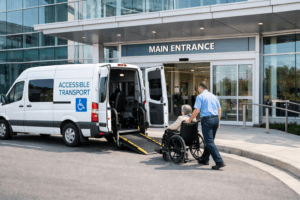
Understanding Wheelchair Medical Transportation
What Is Wheelchair Medical Transportation?
Wheelchair medical transportation refers to specialized transit services designed to safely transport individuals who use wheelchairs to and from medical appointments, hospitals, rehabilitation centers, or other healthcare facilities. Unlike conventional rideshares or taxis, these services are equipped with vehicles that accommodate wheelchairs—whether manual or electric—and are staffed by trained professionals who understand the specific needs of passengers with mobility challenges.
These services ensure wheelchair users can maintain independence and dignity while accessing crucial healthcare without the stress of navigating inaccessible vehicles or unsafe transfers.
Why Is Specialized Transportation Important for Wheelchair Users?
According to the Centers for Disease Control and Prevention (CDC), approximately 13.7% of adults in the U.S. live with some form of mobility disability, many of whom rely on wheelchairs. For these individuals, transportation is more than just a convenience—it’s a necessity that impacts their health outcomes and quality of life.
Standard vehicles often lack the necessary modifications such as ramps, lifts, or securement systems to safely accommodate wheelchairs. This can result in discomfort, injury risks, or missed appointments. Wheelchair medical transportation ensures:
- Safety: Proper securements prevent falls or injuries during transit.
- Comfort: Spacious and climate-controlled vehicles reduce stress.
- Reliability: Timely pick-ups and drop-offs minimize wait times.
- Accessibility: Trained drivers assist with boarding and disembarking.
PMA Transportation Services: Leading the Way in Georgia
PMA Transportation Services understands the unique requirements of wheelchair users. Serving Atlanta and the surrounding Georgia regions, PMA offers an extensive fleet of wheelchair-accessible vehicles, staffed with compassionate drivers trained in mobility assistance and medical transport protocols. Their commitment to safety, reliability, and customer satisfaction makes them a preferred choice for non-emergency medical transportation (NEMT).
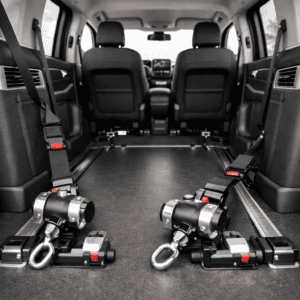
Key Features of Wheelchair Medical Transportation
Vehicle Types and Equipment
Wheelchair medical transportation vehicles are specifically designed or modified to accommodate wheelchairs safely. PMA’s fleet includes:
- Wheelchair Vans: Equipped with ramps or lifts, these vans allow for easy boarding without requiring the passenger to leave their wheelchair.
- Ambulatory Vehicles: For passengers who can walk but may need extra assistance.
- Ambulances: For medical supervision during transport when necessary.
Each vehicle is fitted with:
- Wheelchair Securement Systems: These include straps and locking mechanisms to keep the wheelchair stable during transit.
- Hydraulic or Manual Ramps and Lifts: To eliminate barriers of steps or high vehicle floors.
- Climate Control and Comfortable Seating: Ensuring a pleasant environment during the journey.
- GPS and Communication Systems: For timely and coordinated pick-ups and drop-offs.
Professional and Compassionate Drivers
One of the most critical components of wheelchair medical transportation is the driver. PMA drivers are:
- Certified and Trained: In wheelchair handling, patient assistance, and emergency response.
- Background-Checked: Ensuring safety and trustworthiness.
- Compassionate and Patient: Understanding the physical and emotional needs of passengers.
- Knowledgeable of Local Routes: Especially important in busy areas like Atlanta, to avoid delays.
Scheduling and Booking Flexibility
Medical appointments can sometimes change at short notice. PMA offers flexible scheduling options, including:
- Advance Booking: To plan regular or recurring appointments.
- Same-Day Service Requests: For urgent non-emergency trips.
- Real-Time Updates: Passengers and caregivers receive timely notifications regarding arrival times and any changes.
Step-by-Step Guide: What to Expect When Booking Wheelchair Medical Transportation
Step 1: Initial Inquiry and Needs Assessment
When you contact PMA Transportation Services to book wheelchair medical transportation, you will be asked detailed questions to assess your specific needs, including:
- Type of wheelchair (manual or electric)
- Mobility level (independent or requires assistance)
- Medical condition or special requirements
- Pick-up and drop-off locations in Georgia or Atlanta
- Appointment times and any flexibility
This ensures the assigned vehicle and driver are perfectly suited to provide the necessary care.
Step 2: Confirmation and Pre-Trip Preparation
Once the booking is confirmed, PMA provides:
- Trip Details: Confirmation of pick-up time, driver name, and vehicle type.
- Preparation Tips: Advice on what to have ready, such as medical documents or assistive devices.
- Contact Information: A direct line for communication on the day of transport.
Step 3: On the Day of Transport
At the scheduled time, the driver arrives equipped to assist with:
- Safe boarding using ramps or lifts.
- Proper securement of the wheelchair.
- Assistance with any additional needs, such as transferring to a vehicle seat if preferred.
- Ensuring a comfortable ride, including adjusting climate control or playing calming music if desired.
Step 4: Arrival and Post-Trip Assistance
Upon arrival at the healthcare facility, the driver assists the passenger with exiting the vehicle safely and ensures they reach the appointment area if needed. For return trips, the same care is provided to bring the passenger back home or to their next destination.
Benefits of Choosing PMA for Wheelchair Medical Transportation in Georgia
Reliability That You Can Trust
Missed or late appointments can have serious health implications. PMA prides itself on punctuality, with over 98% on-time arrivals reported by satisfied clients in the Atlanta metro area. This reliability helps patients maintain consistent care schedules vital for chronic conditions or ongoing treatments.
Comprehensive Coverage Across Georgia
Whether you live in downtown Atlanta, the suburbs, or surrounding counties, PMA offers extensive coverage. Their knowledge of local roads and traffic patterns ensures efficient routes, minimizing delays and stress.
Customized Care and Attention
Every wheelchair user has unique needs. PMA’s personalized service approach means drivers and support staff tailor assistance to individual requirements—whether that’s extra time for boarding, accommodating service animals, or providing additional physical support.
Affordable and Insurance-Friendly Services
Many wheelchair medical transportation services accept Medicaid, Medicare, and private insurance. PMA works closely with clients to understand coverage options and helps navigate billing, making quality transportation accessible and affordable.
How to Prepare for Your Wheelchair Medical Transportation Trip
Tips for Passengers and Caregivers
To ensure a smooth and comfortable experience, consider the following:
- Confirm Appointment Details: Double-check dates, times, and locations to avoid confusion.
- Have Medical Documents Handy: Bring necessary forms, identification, or insurance cards.
- Prepare Your Wheelchair: Ensure batteries are charged for electric wheelchairs, brakes are working, and any accessories are secured.
- Pack Essentials: Medication, water, or mobility aids should be within easy reach.
- Dress Appropriately: Comfortable clothing and shoes will enhance your comfort during transfers and transit.
Communicating Special Needs
If you have any specific medical needs—such as oxygen tanks, catheter supplies, or service animals—inform PMA at booking and remind the driver on arrival. This helps them prepare to accommodate your requirements safely.
Real-World Examples: Wheelchair Medical Transportation Success Stories
Case Study 1: Elderly Patient with Limited Mobility in Atlanta
Mrs. Jenkins, an 82-year-old Atlanta resident, required weekly dialysis treatments but struggled with transportation due to her wheelchair dependence and fragile health. PMA provided scheduled wheelchair medical transportation services, ensuring she never missed a session. Their compassionate drivers helped her board and exit the vehicle safely, significantly improving her quality of life and reducing caregiver stress.
Case Study 2: Veteran Accessing Rehabilitation in Surrounding Georgia Areas
A military veteran recovering from a spinal injury needed frequent physical therapy appointments outside Atlanta. PMA’s wheelchair-accessible vans and trained drivers provided reliable transport, accommodating his electric wheelchair and medical equipment. This support enabled him to focus on recovery without worrying about logistics.
Industry Statistics
- The National Aging and Disability Transportation Center reports that accessible transportation services increase healthcare appointment adherence by up to 25%.
- According to a study by the National Institute on Disability, Independent Living, and Rehabilitation Research (NIDILRR), wheelchair users are 40% more likely to miss medical appointments without specialized transportation.
Frequently Asked Questions (FAQs)
1. What types of wheelchairs are compatible with wheelchair medical transportation?
Most wheelchair medical transportation providers, including PMA, can accommodate both manual and powered wheelchairs. Vehicles are equipped with securement systems that safely lock the wheelchair in place during transport. It’s important to inform the provider about your wheelchair type during booking to ensure the proper vehicle is assigned.
2. Can I bring a caregiver or companion with me?
Yes, most wheelchair medical transportation services allow a caregiver or companion to accompany the passenger at no extra cost, provided there is enough space in the vehicle. This is especially helpful for those who require assistance with medical needs or mobility.
3. How far in advance should I book wheelchair transportation?
For routine medical appointments, it’s best to book at least 24 to 48 hours in advance to guarantee availability. PMA also offers same-day booking options in many cases, especially for urgent non-emergency medical transportation needs.
4. Is wheelchair medical transportation covered by insurance?
Many insurance providers, including Medicaid and Medicare, cover non-emergency medical transportation services if deemed medically necessary. PMA works with clients to verify insurance coverage and assist with claims to reduce out-of-pocket expenses.
5. What safety measures are taken during transport?
Safety is a top priority. PMA vehicles are regularly inspected and maintained, drivers are trained in securement techniques, and all trips comply with local and federal safety regulations. Additionally, drivers assist passengers with boarding and disembarking to prevent falls or injuries.
6. How do you handle emergencies during transport?
PMA drivers are trained in emergency response and first aid. Vehicles are equipped with communication systems to contact emergency services if needed. In case of sudden medical issues, the driver can coordinate rapid assistance while ensuring the passenger’s safety.
Conclusion
Wheelchair medical transportation is a vital service that bridges the gap between mobility challenges and healthcare access. For wheelchair users in Georgia, Atlanta, and nearby areas, reliable, safe, and compassionate transportation can significantly improve health outcomes and quality of life.
PMA Transportation Services offers expert wheelchair medical transportation tailored to your unique needs—combining specialized vehicles, professional drivers, and a commitment to excellence. Whether it’s a routine appointment or an urgent non-emergency trip, PMA ensures you arrive safely and comfortably every time.
Ready to experience dependable wheelchair medical transportation in Georgia?
Book Wheelchair Transportation with PMA Transportation Services today and take the first step toward stress-free, accessible medical travel!