

Does Insurance Cover Non-Emergency Ambulance Services?
When it comes to medical transportation, many people assume ambulances are only for emergencies. However, non-emergency ambulance services are increasingly vital for patients who need medical transportation but are not in urgent, life-threatening situations. If you or a loved one require transportation for medical appointments, hospital discharges, or other health-related needs, understanding non emergency ambulance insurance coverage is crucial.
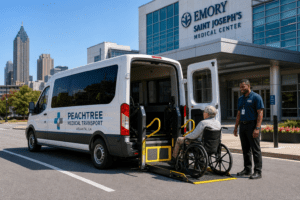
At PMA Transportation Services, based in Georgia, we specialize in providing reliable, compassionate non-emergency medical transportation (NEMT), ambulance services, towing, and transportation consulting throughout Atlanta and surrounding areas. In this comprehensive guide, we’ll explore how insurance covers non-emergency ambulance rides, what you need to know to maximize your coverage, and practical steps to take when booking a ride.
What Are Non-Emergency Ambulance Services?
Before diving into insurance coverage, it’s important to clearly define what non-emergency ambulance services are and who uses them.
Definition and Purpose
Non-emergency ambulance services refer to medically necessary transportation provided by a licensed ambulance or specialized vehicle for patients who do not require immediate emergency care but cannot transport themselves safely due to health reasons. This includes patients who need:
- Wheelchair or stretcher transport
- Oxygen support or other medical monitoring during travel
- Assistance moving between medical facilities
- Transportation after hospital discharge to rehabilitation, home, or nursing facilities
Unlike emergency ambulance rides, which respond to sudden illnesses or accidents, NEMT is scheduled or arranged in advance based on medical necessity.
Real-World Examples
Consider Mrs. Johnson, a senior citizen in Atlanta recovering from hip surgery. She cannot drive herself to physical therapy appointments but requires transportation that accommodates her limited mobility and occasional oxygen use. A non-emergency ambulance service ensures a safe, comfortable ride with trained professionals assisting her.
Another example is Mr. Smith, who needs regular dialysis visits in Georgia but doesn’t have access to personal transportation. Non-emergency ambulance coverage can facilitate reliable transport so he never misses essential treatments.
Why Non-Emergency Ambulance Services Are Essential
According to the National Aging and Disability Transportation Center, over 3.6 million Americans use NEMT services annually to access healthcare. Safe, medically appropriate transportation helps:
- Improve patient health outcomes
- Reduce hospital readmissions
- Ensure compliance with treatment schedules
- Alleviate caregiver burden
For many patients in Georgia and Atlanta, PMA’s non-emergency ambulance services provide peace of mind and dependable care beyond emergency situations.
Understanding Non Emergency Ambulance Insurance Coverage
Insurance coverage for non-emergency ambulance services can be complex and varies widely depending on your insurance provider, plan type, and medical necessity requirements.
 Types of Insurance That May Cover NEMT Services
 Types of Insurance That May Cover NEMT Services
- Medicare
Medicare Part B covers ambulance transportation to the nearest appropriate medical facility when other transportation could endanger your health. This includes non-emergency ambulance rides if your doctor certifies medical necessity. - Medicaid
Medicaid programs in Georgia often provide broader NEMT benefits. If you’re eligible for Medicaid, you may be covered for non-emergency ambulance rides to medical appointments, treatments, or hospital discharges. - Private Health Insurance
Coverage varies greatly with private insurance plans. Some plans include limited ambulance coverage, while others require prior authorization or restrict rides to emergencies only. - Veterans Affairs (VA) Benefits
Veterans with VA benefits may receive coverage for NEMT services arranged through VA healthcare facilities.
What Determines Insurance Coverage?
Insurance companies evaluate non emergency ambulance insurance coverage based on several criteria:
- Medical necessity: The patient’s condition must justify ambulance transport over other means. For example, inability to sit upright, need for medical monitoring, or oxygen support.
- Certification and documentation: A physician’s order or certification verifying the need for ambulance transport is typically required.
- Provider network: Insurance plans may only cover rides provided by contracted ambulance providers or NEMT companies.
- Destination limits: Coverage often extends only to the nearest appropriate medical facility or between approved locations.
Statistics Highlighting Insurance Coverage Challenges
A 2021 report from the Government Accountability Office (GAO) found that approximately 25% of non-emergency ambulance transport claims are denied by insurers, often due to insufficient documentation or unclear medical necessity. This highlights the importance of understanding your plan’s requirements and working with trusted providers like PMA.
When Does Insurance Typically Cover Non-Emergency Ambulance Services?
Not every non-emergency ambulance ride is covered by insurance. To maximize your chances of coverage, it’s essential to understand the circumstances under which your insurance will pay.
Medical Necessity: The Cornerstone of Coverage
Insurance providers require proof that ambulance transport is medically necessary. This means:
- The patient cannot safely travel by other means (car, taxi, public transport).
- The patient requires ambulance-level care during transport (e.g., stretcher, oxygen, monitoring).
- The transport is to a medically appropriate facility for treatment or discharge.
For example, if a patient with chronic respiratory illness needs oxygen and professional care during transport to a specialist appointment in Atlanta, insurance is more likely to approve coverage.
Prior Authorization and Referral Requirements
Many insurance plans require prior authorization for non-emergency ambulance rides. This process involves submitting medical records and a healthcare provider’s certification to the insurer before the transport occurs.
Failure to obtain prior authorization may lead to claim denials and out-of-pocket expenses.
Geographic and Provider Restrictions
Insurance coverage may limit ambulance rides to specific geographic areas or require using providers within their network. For residents of Georgia and metropolitan Atlanta, using a trusted provider like PMA Transportation Services ensures compliance with insurance requirements and smooth claims processing.
Examples of Covered Non-Emergency Ambulance Services
- Transport between hospital and rehabilitation center after surgery
- Scheduled dialysis or chemotherapy appointments
- Transfer between nursing homes and hospitals for treatment
- Return home from hospital when patient cannot self-transport
How to Maximize Your Non Emergency Ambulance Insurance Coverage
 How to Maximize Your Non Emergency Ambulance Insurance Coverage
Navigating insurance for non-emergency ambulance services can be overwhelming. Here are actionable steps to maximize your coverage and reduce out-of-pocket costs.
Step 1: Verify Coverage with Your Insurance Provider
Contact your health insurance company directly to inquire about:
- Whether non-emergency ambulance services are covered
- Criteria for medical necessity
- Required documentation and prior authorization processes
- Approved ambulance providers in your network
Keep detailed notes and confirm any instructions in writing.
Step 2: Obtain a Physician’s Certification
Work with your primary care physician or specialist to obtain a written order or certification stating the medical necessity of ambulance transport. This documentation should specify the patient’s condition, transport requirements, and destination.
Step 3: Choose a Reputable, Insurance-Experienced Provider
Select an ambulance or NEMT company familiar with insurance billing and local regulations. PMA Transportation Services, serving Georgia and Atlanta, has extensive experience working with Medicare, Medicaid, and private insurers to ensure rides meet coverage requirements.
Step 4: Secure Prior Authorization
If your insurance plan requires it, have your healthcare provider submit a prior authorization request before your scheduled transport. PMA can assist in coordinating this process to prevent claim denials.
Step 5: Keep All Records and Receipts
Maintain copies of all medical documents, authorization approvals, and billing statements. In case of claim disputes, thorough records will support appeals.
What Happens If Insurance Denies Your Non-Emergency Ambulance Claim?
Claim denials for non-emergency ambulance rides are unfortunately common but not always final.
Common Reasons for Denial
- Lack of medical necessity documentation
- Missed prior authorization or referral requirements
- Use of out-of-network providers
- Transport to non-approved destinations
Steps to Appeal a Denial
- Request a detailed explanation from your insurer on why the claim was denied.
- Gather supporting evidence, including physician statements, medical records, and ride logs.
- File a formal appeal through your insurance company’s process, often within 30-60 days of denial.
- Seek assistance from patient advocacy groups or healthcare providers if necessary.
PMA Transportation Services understands these challenges and supports patients through the appeals process when possible.
Why Choose PMA Transportation Services for Your Non-Emergency Ambulance Needs in Georgia?
In Georgia and Atlanta, PMA Transportation Services stands out as a trusted partner offering superior non-emergency ambulance and medical transportation services.
Local Expertise and Compassionate Care
Our team is deeply familiar with Georgia’s healthcare landscape and insurance requirements. We provide:
- Personalized transport tailored to your medical needs
- Coordination with insurance companies to simplify billing
- Experienced, compassionate staff trained in patient care
Comprehensive Service Options
From wheelchair vans to fully equipped ambulances, PMA has the right vehicle and staff to ensure safe and comfortable transport for all medical needs.
Proven Track Record
Thousands of patients in the Atlanta metro area trust PMA for reliable NEMT and ambulance services. Our commitment to quality and patient satisfaction is reflected in numerous positive reviews and long-term partnerships with healthcare providers.
Does Insurance Cover Non-Emergency Ambulance Services? Frequently Asked Questions (FAQs)
1. Does Medicare cover non-emergency ambulance rides?
Answer: Medicare Part B generally covers non-emergency ambulance services if your doctor certifies that ambulance transport is medically necessary and other transportation methods could endanger your health. Coverage includes rides to the nearest appropriate medical facility for treatment. Prior authorization may be required, so it’s important to verify with Medicare and your provider.
2. How can I prove medical necessity for insurance coverage?
Answer: Medical necessity is proven through a physician’s written order or certification detailing your medical condition, why ambulance transport is needed, and the destination. Documentation should specify any medical equipment or monitoring required during transport. PMA can assist in ensuring your paperwork meets insurer standards.
3. Are all ambulance providers covered by insurance for non-emergency rides?
Answer: No. Insurance plans often require patients to use in-network ambulance providers to receive coverage. Using an out-of-network provider could result in higher out-of-pocket costs or denial of coverage. Choosing PMA Transportation Services ensures you work with a trusted, in-network provider in Georgia and Atlanta.
4. What if my insurance denies coverage for a non-emergency ambulance ride?
Answer: If denied, review the denial reason carefully. You may be able to appeal by submitting additional medical documentation or obtaining prior authorization retroactively. PMA Transportation Services can help guide you through this process and provide necessary records.
5. Does Medicaid cover non-emergency ambulance transportation in Georgia?
Answer: Yes, Georgia Medicaid typically covers non-emergency ambulance transportation for eligible patients who meet medical necessity criteria. Coverage includes rides to medical appointments, treatments, and hospital discharges. Contact your Medicaid caseworker or PMA for assistance with scheduling covered rides.
6. Can I book a non-emergency ambulance ride without insurance?
Answer: Yes, you can book non-emergency ambulance services privately, but costs may be high without insurance coverage. PMA offers transparent pricing and can help you understand potential expenses and insurance options before booking.
Conclusion: Does Insurance Cover Non-Emergency Ambulance Services?
Navigating non emergency ambulance insurance coverage can be challenging, but understanding the ins and outs of insurance policies, medical necessity, and provider requirements empowers you to make informed decisions. For residents of Georgia and Atlanta, partnering with a knowledgeable and compassionate provider like PMA Transportation Services ensures you receive safe, reliable, and insurance-compliant non-emergency ambulance transportation.
Whether you need transport to a routine medical appointment, hospital discharge, or specialized treatment, PMA is here to guide you through the process from verifying insurance coverage to booking your ride.
Ready to learn if your insurance covers non-emergency ambulance services?
Check Coverage & Book a Ride with PMA Transportation Services today and experience trusted, compassionate care tailored to your needs in Georgia and Atlanta.